Ecommerce Strategies of the Largest Brands
on the Athletic Footwear Market
 14 mins read
Ecommerce Strategies of the Largest Brands
on the Athletic Footwear Market
14 mins readThe sports footwear industry is growing at shocking rates. One might even say it’s booming – flourishing both day and night. Shoe store sales continue to rise, and revenues collected by the top footwear producers has concurrently increased over the last few years.
As a result, business models are being rebuilt with a focus on selling footwear online, thus enabling entrepreneurs to be closer to the end consumers. To get a better understanding of this trend, we’re going to dive deep into the secrets of the athletic footwear industry giants.
Today, people’s enjoyment of athletic footwear goes well beyond gyms and stadiums. In fact, it’s absolutely ok to go to work in cycling boots, attend a party in sneakers, or go on a first date wearing gym trainers. As our shoe options become wider, people are becoming more fashion conscious and demanding! Today they want not only comfort in their stride, but their shoes should also match their outfit and particular occasion dujour to create a curated look. The right pair of shoes can work to give you an air of class, respectability, and status.
In line with choosier consumerism, more and more women are casting their heels aside in exchange for a night free of tortured feet, by way of a pair of perfectly matched, flirty and stylish sneakers at the helm. Indeed, the desire for comfort is one of the most powerful drivers in this industry. In an effort to catch all, shoe manufacturers listen to the market as driven by those who merely seek the right sneakers to complement a relaxed lifestyle, to those whose lifestyles trend towards fitness and health. Regardless of the intended use, by wearing a pair of branded sneakers, people feel like they are taking on the essence of successful, well-known athletes and sports stars.
Despite the wide variety of brands on the market, there are some “stars” among them that stand out when it comes to quality, performance, design, and popularity.
Nike began as Blue Ribbon Sports, a company co-founded by Bill Bowerman and Phil Knight in 1964. Today, the brand sells footwear, apparel, equipment, and accessories, but its influence is still strongly associated with athletic and lifestyle shoes.
Nike also remains one of the most recognizable names in sportswear. In 2025, Brand Finance ranked Nike as the strongest apparel brand globally, giving it an AAA+ brand strength rating and a Brand Strength Index score of 94.7 out of 100.
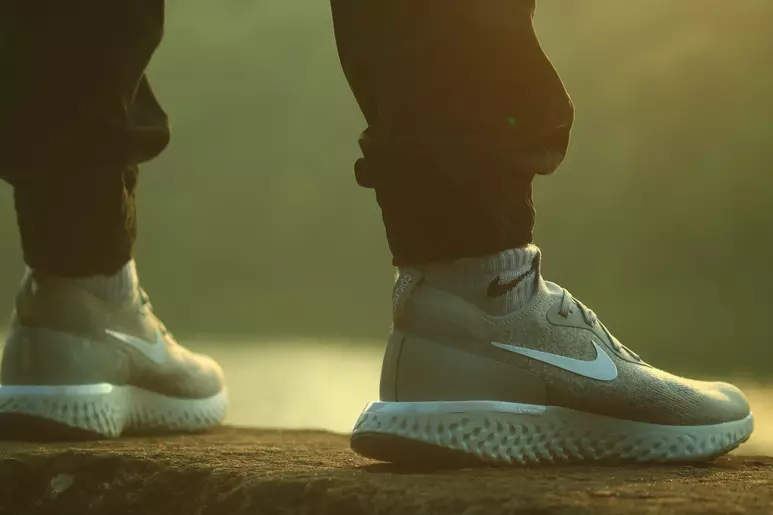
The #2 world producer of athletic products was founded in 1924 by Adolf Dassler in Germany. Starting with the creation of shoes and other products for sports, the Adidas of today is no longer only about sport. It has become a symbol of the street, pop-culture, music, and more, forging its existence through its remarkable communication strategies.

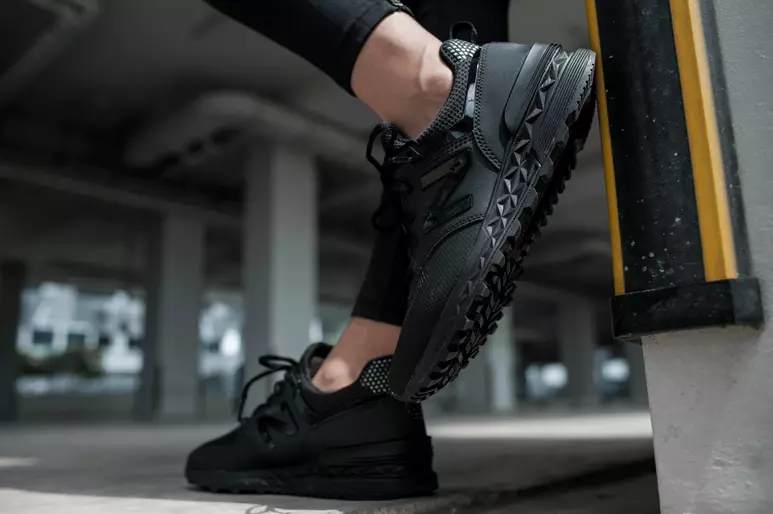
US company New Balance was founded in 1906 by William J Riley. Today, New Balance is a premium shoe brand offering easily-recognizable forms and functional design. Already successful on the US market, the company now competes for a place in the sun beyond the United States. (And they’re doing quite well, we might add!)
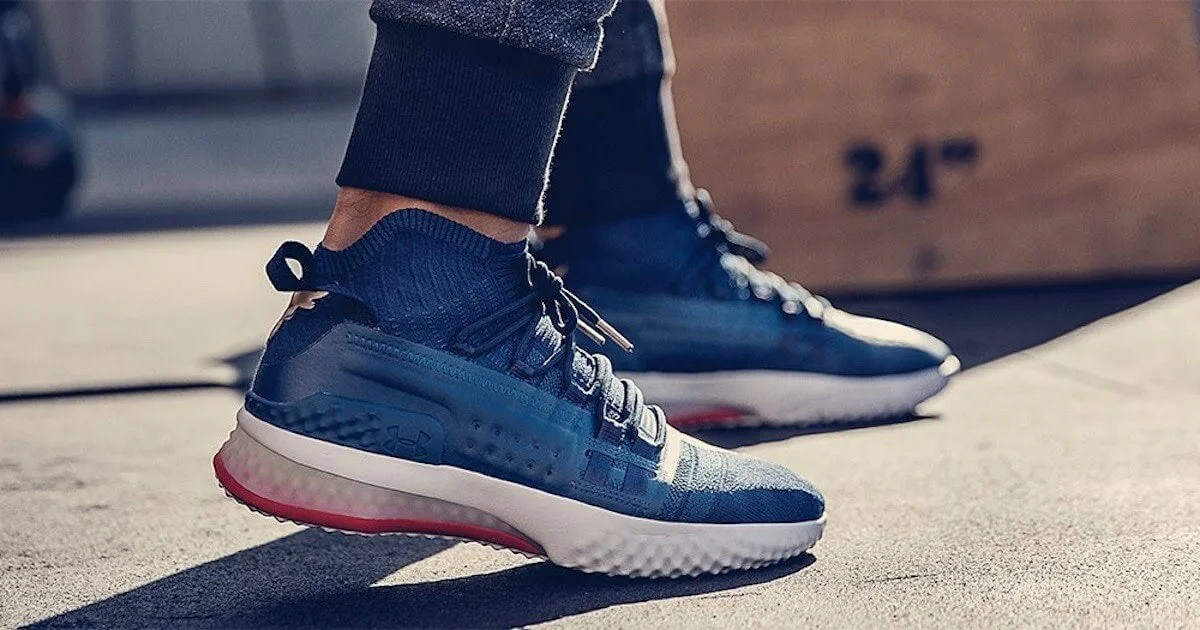
American company, Under Armour, was established by Kevin Plank in 1996. This company is proud of its eco-friendly approach to manufacturing, innovative use of fabric technologies, and high brand recognition from local communities and high-class athletes alike. Under Armour is particularly known for its unique styles and attractive designs.
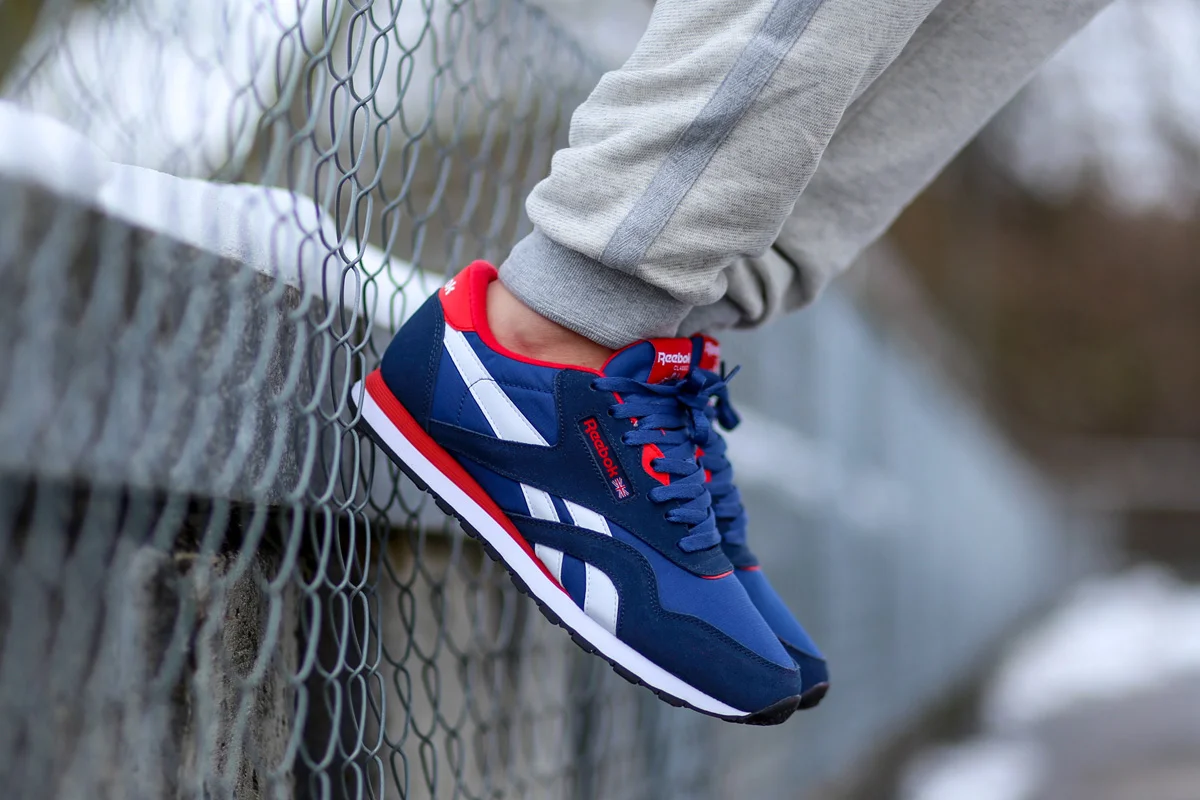
Founded in 1958 in Bolton, England by Jeff and Joe Foster, brothers whose family had roots in sport shoe manufacturing, the company eventually sold licensing and distribution rights for the US in 1979. Adidas acquired Reebok in 2006, but later sold the brand to Authentic Brands Group in 2022.
Sports footwear is popular among all age groups, though the main market evangelists remain millennials and Generation Z. Today, the top footwear brands focus their marketing campaigns most on the following three consumers groups:
– Women are no longer afraid of being viewed as strong and muscular, shirking the traditional views that physical strength is reserved for men. And so, it’s no wonder they want high-quality, stylish clothing to train effectively! With this in mind, companies enjoy giving women what they want. Driven by the “athleisure trend”, women are wearing fancy leggings to the gym, errands, and brunch, which is why top sports clothing brands expect continuing growth in revenue in this sector in the coming years.
– Kids are an easy target for large brands: young and perceptive to everything new, they enthusiastically follow the latest trends. The best way to attract the youth is showing them popular athletes. In such a way, youngsters associate themselves with the personality shown in ads, and are more likely to purchase the items being promoted.
– Runners have always been a chief percentage of sportswear industry customers, which is why companies pay great attention to this group. Currently, runners are encouraged to use the newest models of shoes and high-tech apparel, they are handed apps with a multiplicity of features to track their workout activity, and they see a host of many other things used to bolster existing fans and attract rookies to running.
With selling shoes online, business growth has increased dramatically, and has made many manufacturers rethink their business strategy. Since ecommerce allows many brands the ability to sell their products directly to the customer, it would be a sin to avoid such a window of opportunity. This new sales model is called ‘direct to consumer’ (DTC) – an emerging trend that continues to gain popularity among manufacturers. The first companies that grabbed all the benefits of such an approach were Nike and Adidas.
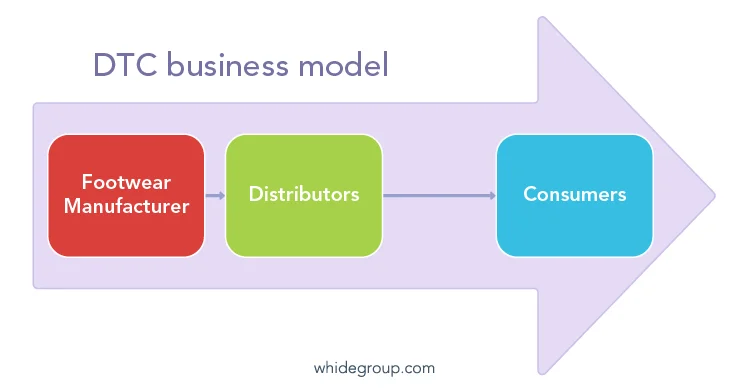
The way major athletic footwear brands sell online has changed significantly, but the shift is no longer as simple as “cut retailers and move everything to DTC.” Nike’s 2017 Consumer Direct Offense focused on digital growth, faster product delivery, and stronger direct relationships with consumers. However, the company’s more recent results show a more balanced picture: Nike is now working to strengthen marketplace partnerships while still developing its owned digital and retail channels.
Adidas is following a similar multi-channel logic. The brand continues to invest in ecommerce and direct-to-consumer sales, but its latest results also show strong growth through wholesale and own retail. In 2025, Adidas reported 16% growth in ecommerce sales, 14% growth in DTC, and 12% growth in wholesale revenues.
For footwear brands, ecommerce is no longer a rebellion against retail. The smarter play is to use each channel for what it does best. Owned websites and apps give brands control over product drops, memberships, customer data, and premium storytelling. Retail partners still matter for reach, everyday availability, and the simple fact that many shoppers want to see, try, or buy sneakers where they already shop.
It’s natural to suggest that the two biggest footwear brands have something special in their marketing strategies. If you look thoroughly, you’ll see that both companies strive to create a hero through their advertising campaigns. These campaigns then often become objects of close attention by bloggers and the everyday consumer. Building customer trust and loyalty is not an empty idea for these brands, and they are extremely good at it! Here are the things you should know about the digital marketing strategy of Nike and Adidas brands:
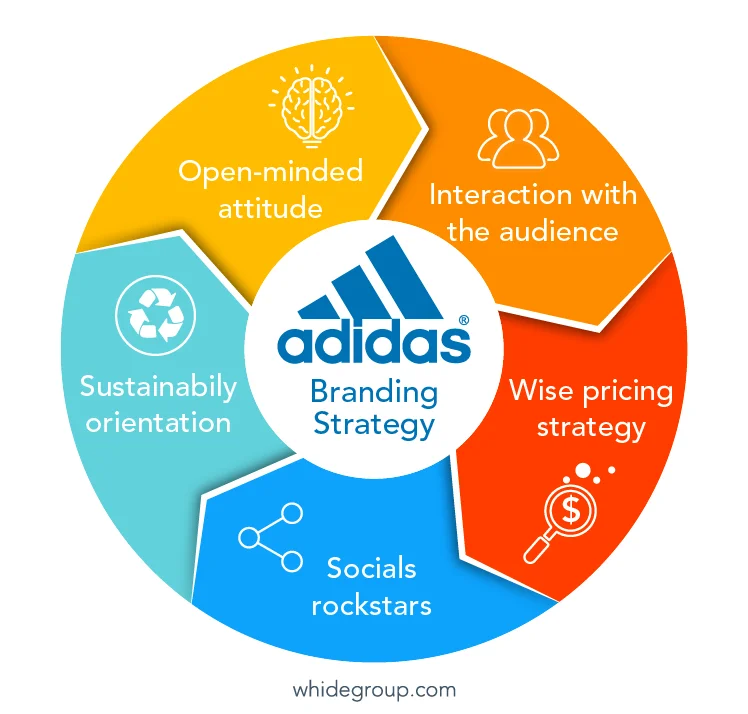
– Consumers want to have a positive impact on the environment, and they don’t hesitate to reward brands that do. Adidas collaborates with Parley for the Oceans – an organization that combats ocean pollution. Currently, the company uses ocean plastic to produce 95% of its shoes, avoiding the use of virgin plastic.
– Everyone can purchase a pair of kicks from Adidas with its high/low price strategy. However, the brand doesn’t abuse this approach, since low prices can give rise to a perception of inferior quality. Hence, Adidas tends to maintain high prices to stoke the perception that it is a luxury manufacturer.
– To build a relationship of trust with their customers, Adidas actively implements social media strategy. To date, it has a strong army of followers on YouTube, Facebook and Twitter. In such a way, the company stays connected with the audience and focuses its marketing efforts towards bringing new energy to sports.
– Adidas opens its doors for every creative mind to shape and share the sports culture of the future. The brand collaborates with internationally recognized athletes and pop stars in the production of “Calling All Creators” – a promotional video boasting participation of such celebrities like Lionel Messi, Pharrell Williams, and David Beckham.
– In order to curate the buyers’ portrait, Adidas focuses on the cities that contribute to the largest part of the world’s GDP (gross domestic product). Such cities are London, Los Angeles, New York, Paris, Shanghai and Tokyo – all chosen to survey consumers’ perception, trends, and buying decisions.
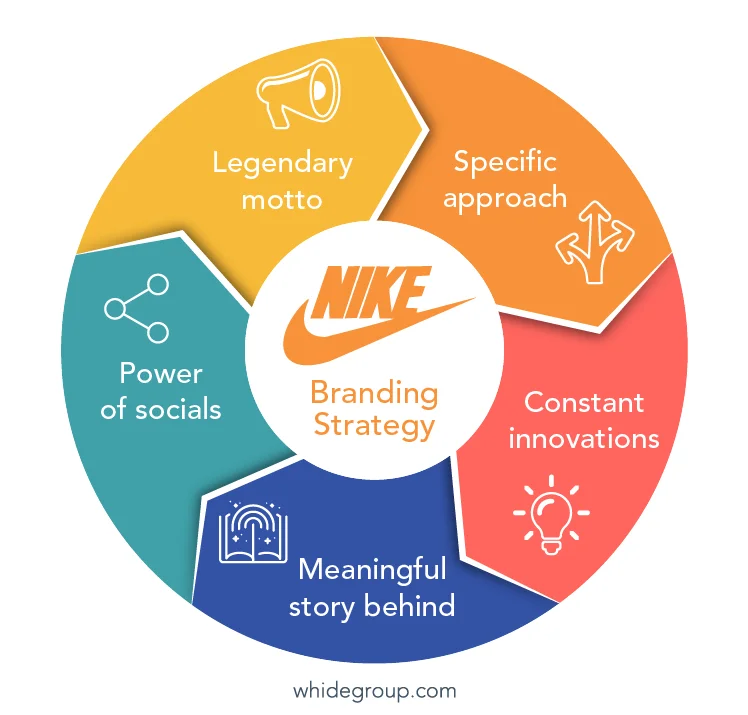
– Nike’s not selling a product, but an aspiration! You can rewatch its ads – virtually none are focused on the product. Instead, Nike evokes emotions using so-called “emotional branding”. Ads are intended to trigger the feeling that Nike products are the only ones that can meet the needs of the customer.
– Nike has long used product innovation to protect its position in a highly competitive footwear market. One early example was Nike+iPod, launched in 2006, which connected running shoes with an activity tracker and helped bring performance data into the everyday running experience. Since then, Nike has continued to build its brand around the same idea: footwear is not just something athletes wear, but a tool that can support training, performance, and personal progress.
– The legendary “Just Do It” slogan will celebrate its 30th birthday this year. It’s a notable challenge to find anyone who has never heard it! It is universally recognized, and the phrase has taken on a whole new identity. It is not just a motto, but a self-motivating personal mantra for whatever life throws your way.
– With a team of extremely savvy marketers, Nike has built an awesome content strategy, always keeping posts short, smart, and motivating. It’s no wonder that audiences enjoy sharing them so much! Such loyal customers are more likely to repurchase from Nike in the future.
– In short, Nike just wants you to get off your sofa and move your butt. Developing their content strategy with this in mind, Nike is creating a magic mirror, which shows you a healthier, sportier version of yourself. This approach strongly distinguishes Nike from its closest competitors.
It’s quite reasonable to suggest that top footwear brands offer their customers shoes of unprecedented quality. So, what are their distinguishing features? Let’s go deeper.
The first thing worth mentioning is an attention to detail. Top-companies always pay a lot of attention to every little aspect, such as the stitching, logos, and neatness of every part. Each detail must be just perfect.
The next thing to pay attention to is the serial number – top companies are extremely deliberate about marking their items, and most of them prefer to situate the number in several places. The most popular places are on the box and on the flip side on the shoes’ tongues.
All top-branded shoes, without exception, are durable and lightweight, providing extraordinary comfort, cushioning, and flexibility. In such a way, buyers are able to feel confident that they will be reaping the benefits of a high-quality product for a long time.
Nike’s customization strategy is now built around Nike By You, its co-creation service for members. Instead of treating personalization as a separate app feature, Nike lets shoppers customize selected sneakers directly through an online builder.
The available options depend on the model, but customers can usually adjust colors, materials, laces, labels, and personal details such as initials or a short custom message. Not every product is open for customization, which helps Nike keep the experience focused and protect the quality of each design.
For ecommerce, the strength of Nike By You is not only the number of customization options. The builder turns product personalization into a guided shopping experience: customers start with a familiar Nike silhouette, experiment with design choices, see the result visually, and end up with a product that feels more personal than a standard pair of sneakers.
Adidas has a long history of adapting footwear to specific performance needs. One of the earliest examples dates back to the 1954 World Cup final, when the German national team wore Adidas football boots with screw-in studs that could be adjusted for wet pitch conditions. This was not customization in the modern ecommerce sense, but it shows how deeply the brand’s product strategy has been connected to fit, function, and playing conditions.
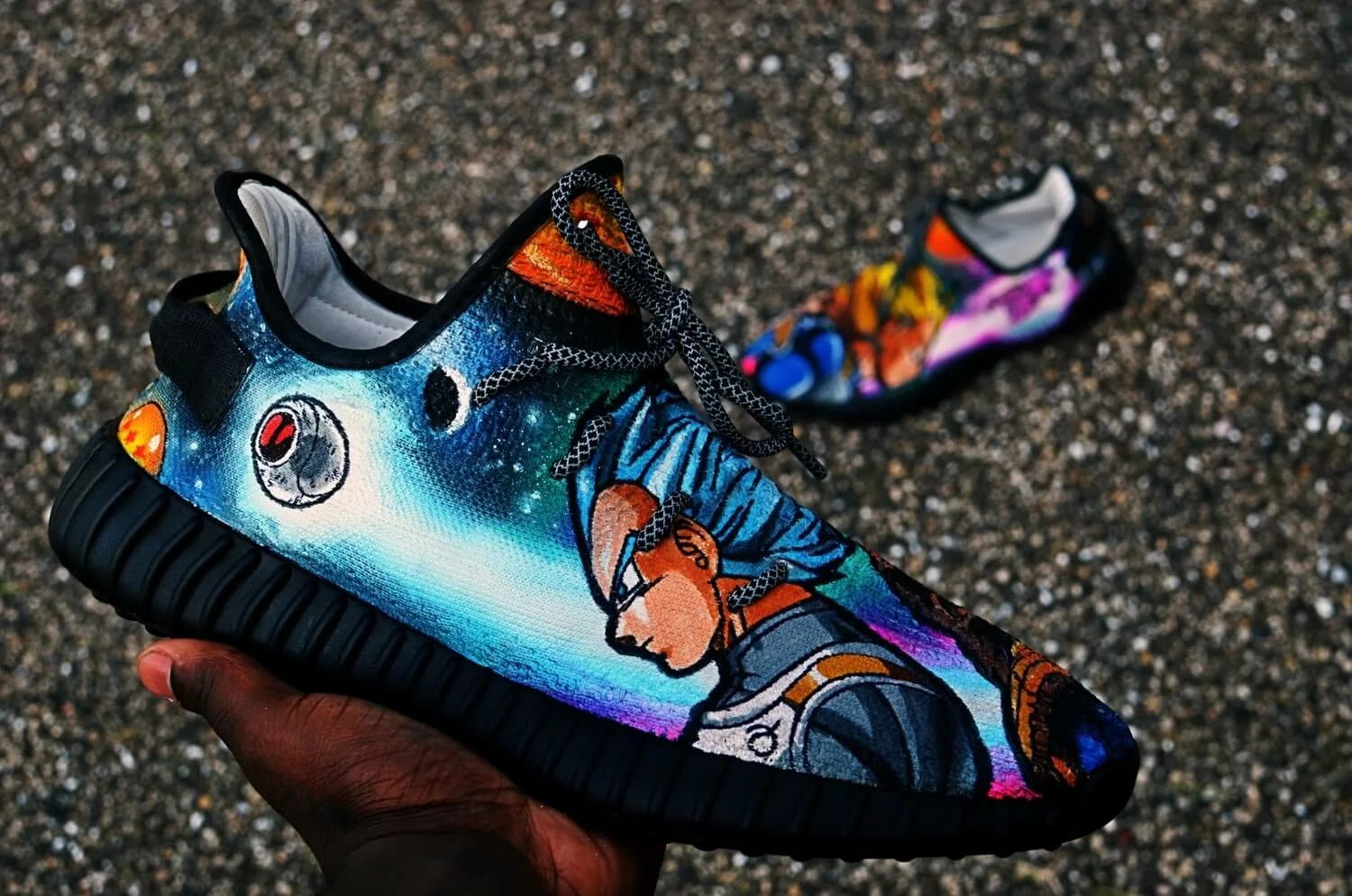
Today, Adidas takes a more controlled approach to personalization. Instead of offering every shopper a fully open shoe configurator, the brand allows personalization on selected products, usually through names, numbers, short text, or similar details. Adidas also supports customization for teamwear through dedicated uniform design tools.
For ecommerce businesses, the takeaway is simple: customization does not always have to mean a complex 3D product builder. Limited personalization can still make a product feel more individual while keeping design options, production, and fulfillment easier to manage.
Benefitting from the development of technology, top footwear manufacturers certainly make it work in their favor. One of the most prospective directions of technologies application is in shoe customization.
The last word was said by Nike, which released the Nike Adapt BB performance basketball shoe. This shoe is a perfect combination of the power-lacing system and an application to create a custom fit. Eric Avar, Nike VP and Creative Director of innovation, claimed basketball was intentionally picked as the first for Nike since basketball players are particularly demanding of the shoes they wear during gameplay.
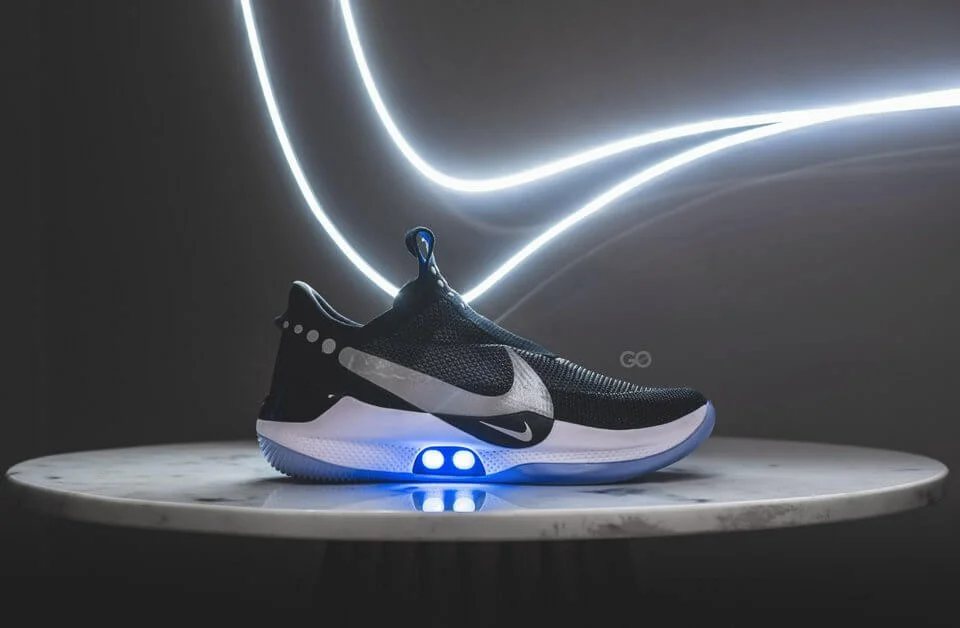
Through collaboration with some of the stars of basketball, Nike’s specialists understood that during a normal basketball game, the foot changes dramatically. Therefore, the ability to change a fit quickly by loosening a shoe in order to increase blood flow and tightening to gain performance is critical to the athlete’s experience. All control can be performed by a smartphone application or manually, and thus players can input different fit settings according to their individual needs.
The model is still subjected to extensive testing to be improved. New sneakers will be available for $350, and are intended to help athletes find their individual fit and get an unprecedented level of comfort and cushioning throughout the game.
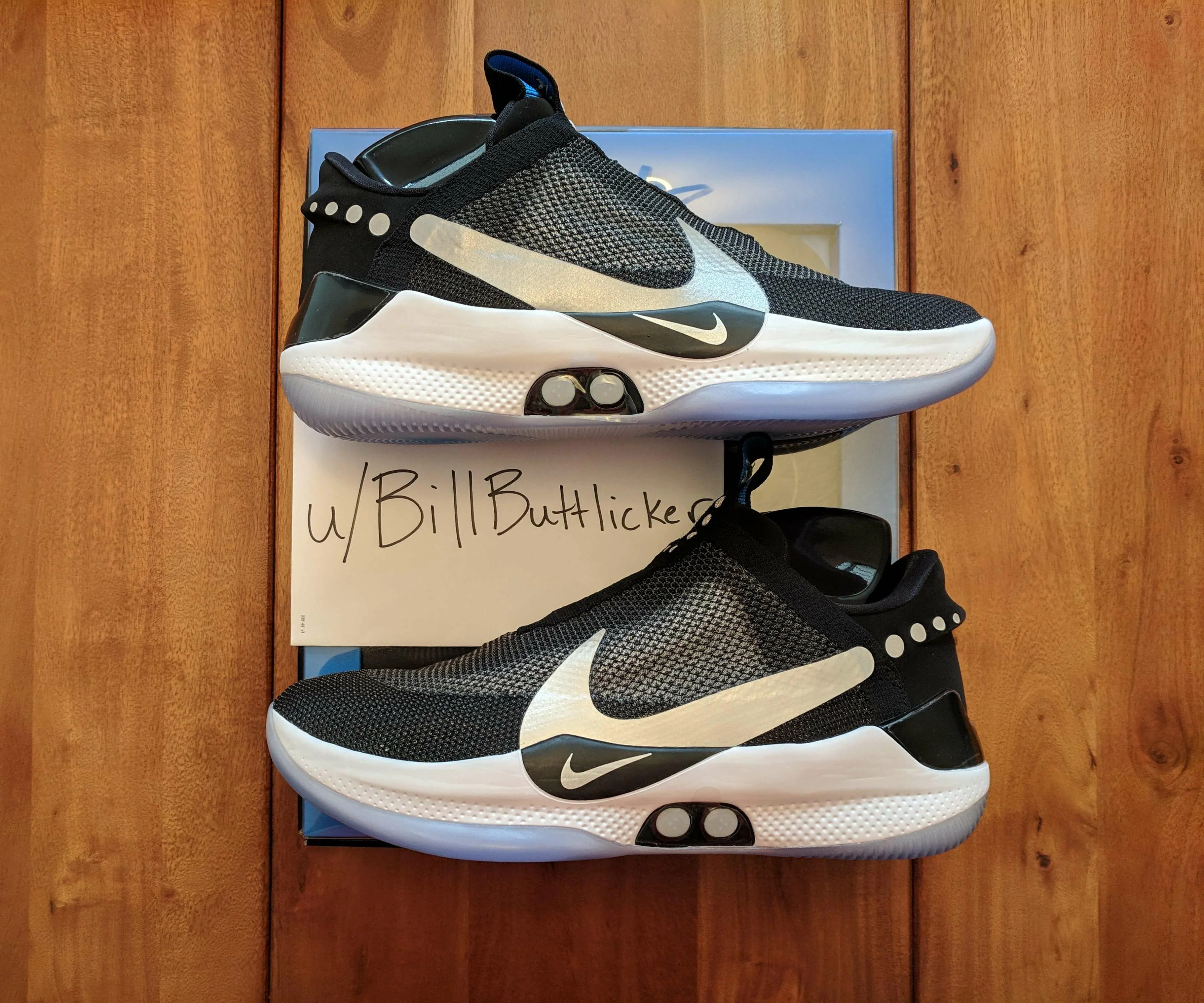
However, it’s too early to talk about spreading Adapt BB beyond the basketball court. Most customers consider buying a pair of sneakers as the end of the buyer’s journey, and in the case with Adapt BB, it is just the beginning. The customer still has a long way to go in order to personalize a pair to be purchased.
Looking to the future, Nike plans to expand the range of industries to be served by its footwear. The long-term vision for innovation at Nike is a world in which intelligent products adapt at the speed of sport to improve an athlete’s performance.
The evolution of the fashion industry sometimes evokes highly unexpected creations. Indeed, the last few Couture Fashion Weeks in Paris demonstrate how designers’ imaginations can find an application for 3D printing in fashion. This trend has spread to the footwear industry too! To date, brands are focused on various applications of the technology. From printing midsoles, to textile uppers, these trends show now is the right time for us to look closely at the brands’ efforts in this arena!
Nike’s work with 3D printing started as an elite performance experiment. In 2018, the brand introduced Flyprint, a 3D-printed textile upper developed with marathoner Eliud Kipchoge. The idea came from a practical running problem: after wet race conditions made traditional uppers heavier and less comfortable, Nike looked for a lighter, more breathable material structure.
Flyprint allowed Nike to use athlete data and printed thread geometry to adjust support, flexibility, breathability, and weight in the upper. The technology also made prototyping much faster, helping designers test and refine performance footwear more efficiently.
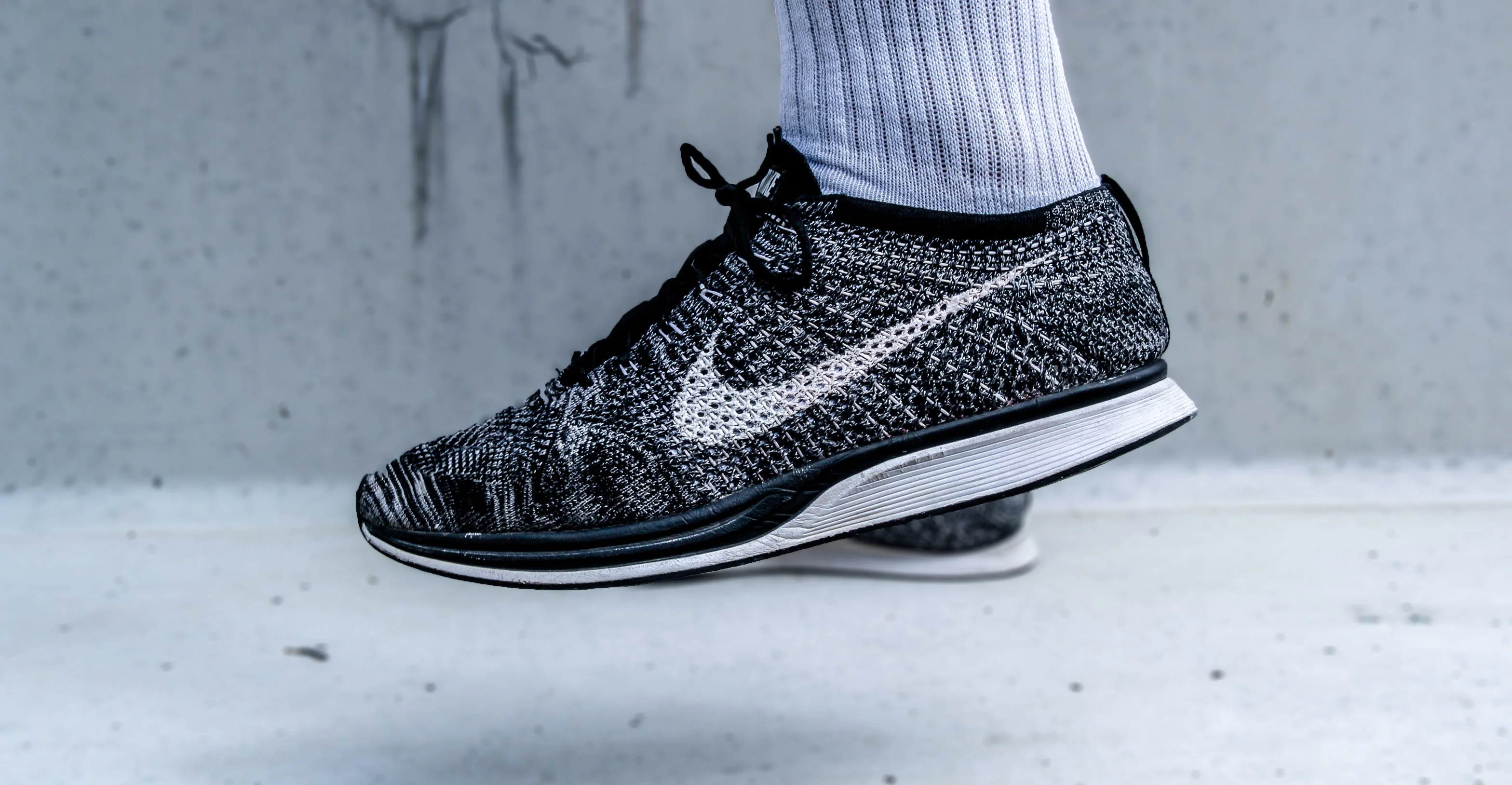
The important point for ecommerce is that 3D printing does not automatically mean every shopper can order a fully custom pair of sneakers. For Nike, it has mostly worked as a tool for performance innovation, rapid prototyping, limited releases, and experiments with self-expression. More recent projects, such as the 3D-printed Air Max 95000, show that Nike is still exploring how printable footwear can move from elite athlete testing into more visible consumer-facing products.
Adidas took a different path in 3D-printed footwear. Instead of printing the upper, the brand focused on the midsole — the part of the shoe that affects cushioning, stability, and energy return. In 2017, Adidas partnered with Carbon to introduce Futurecraft 4D, a sneaker with a lattice midsole created through Digital Light Synthesis.
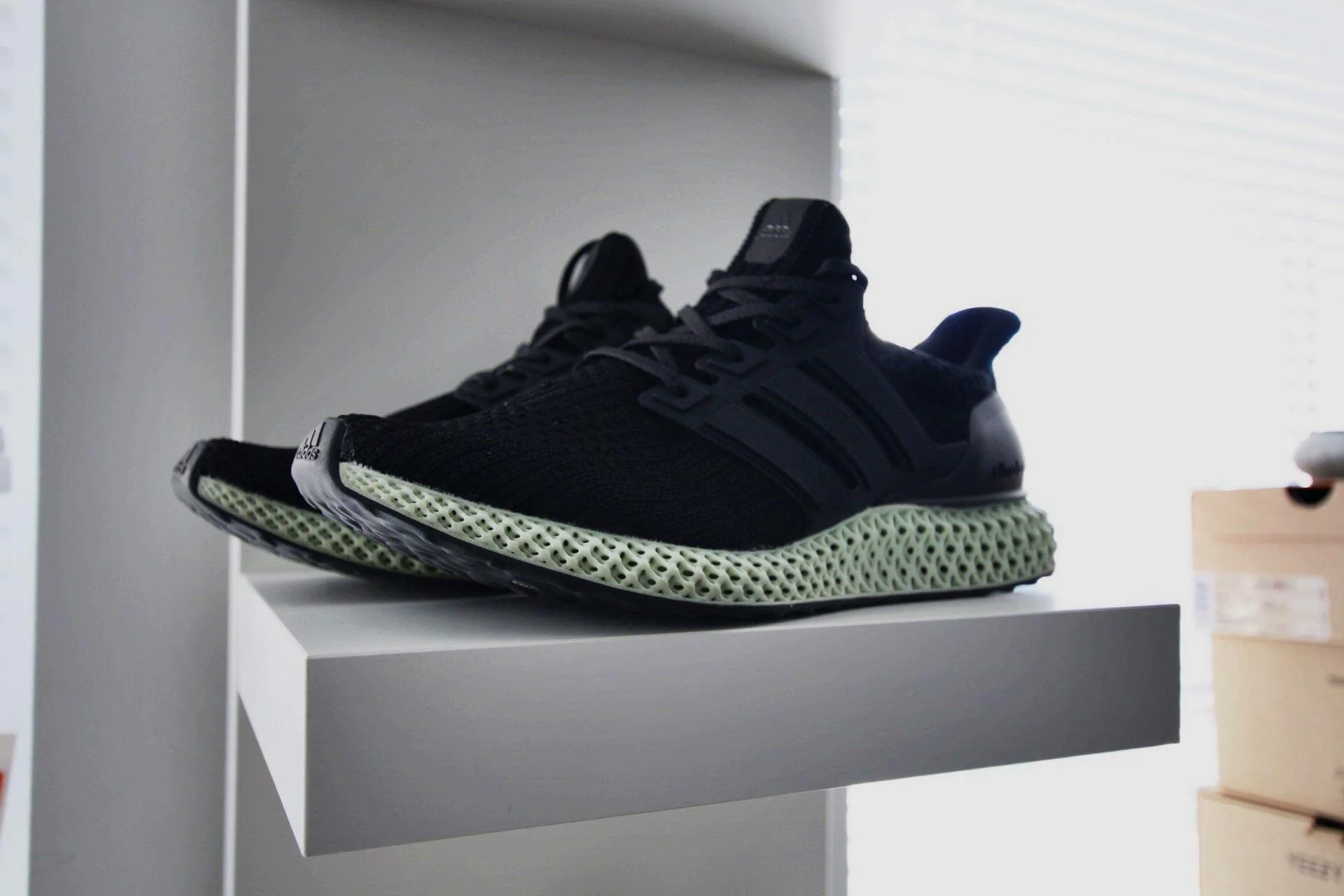
A printed lattice structure allowed Adidas to design zones with different performance properties and create shapes that would be difficult to achieve through traditional molding. Later, the technology evolved into the Adidas 4D and 4DFWD lines, where athlete data and lattice geometry were used to fine-tune how the midsole absorbs impact and guides movement.
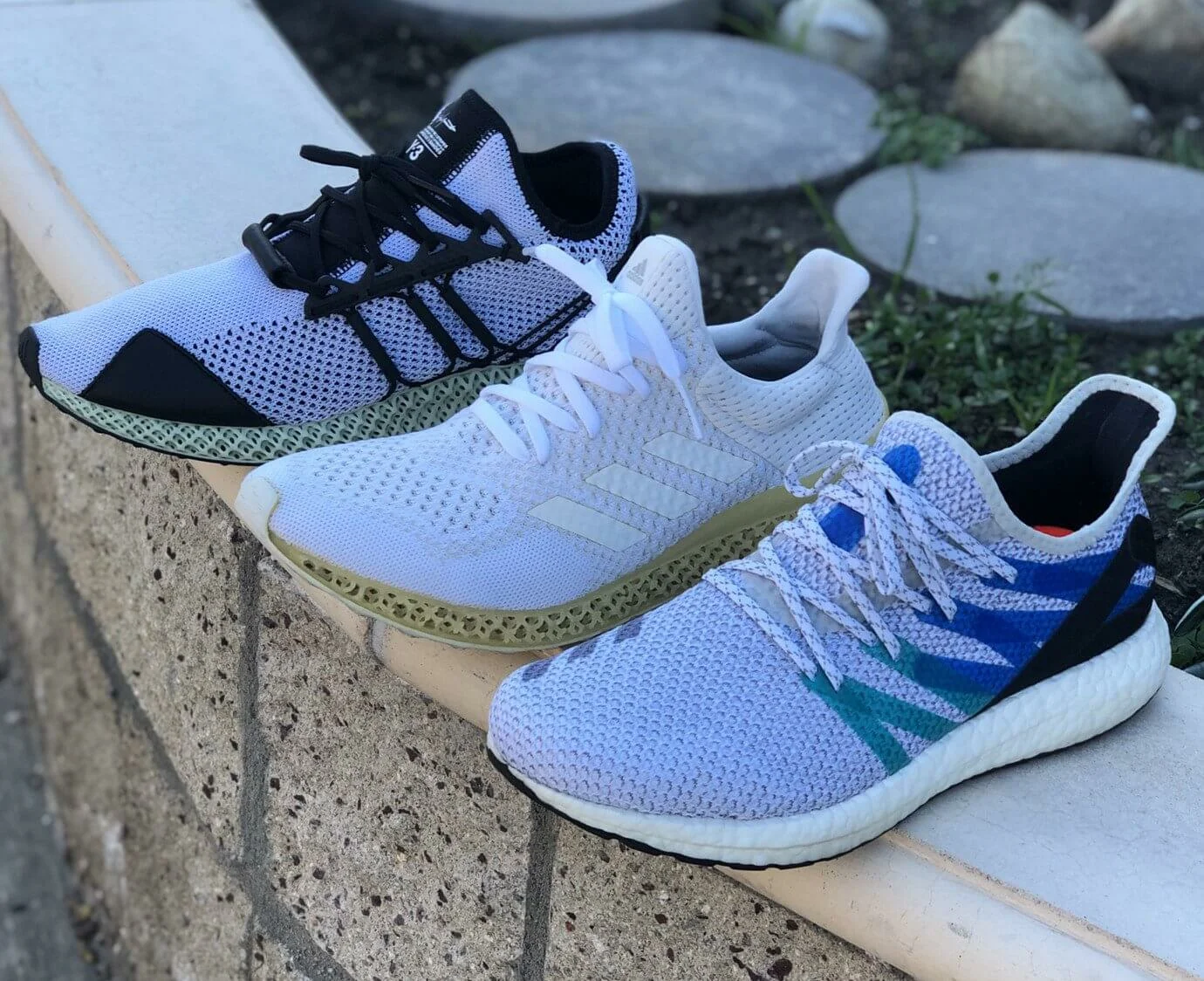
Adidas has continued to experiment with 3D printing beyond midsoles. In 2025, the brand expanded availability of its 3D-printed Climacool shoe, moving the technology closer to a consumer-facing product rather than a limited innovation showcase.
For ecommerce, the Adidas example shows how additive manufacturing can support more than hype. It can help brands test new product structures, create visually distinctive releases, reduce some constraints of traditional tooling, and gradually move toward more personalized footwear as production methods mature.
What is the secret that large footwear brands are hoarding? It’s hard to answer unequivocally. However, we think the secret lies in their non-stop, persistent desire to offer the best solutions to their beloved customers.


 Choosing Ecommerce CMS: What is the Fastest Ecommerce Platform?





Everything we do starts with the consumer. It’s our obsession with serving the consumer that sharpens our focus and drives our growth.Mark Parker, CEO of Nike